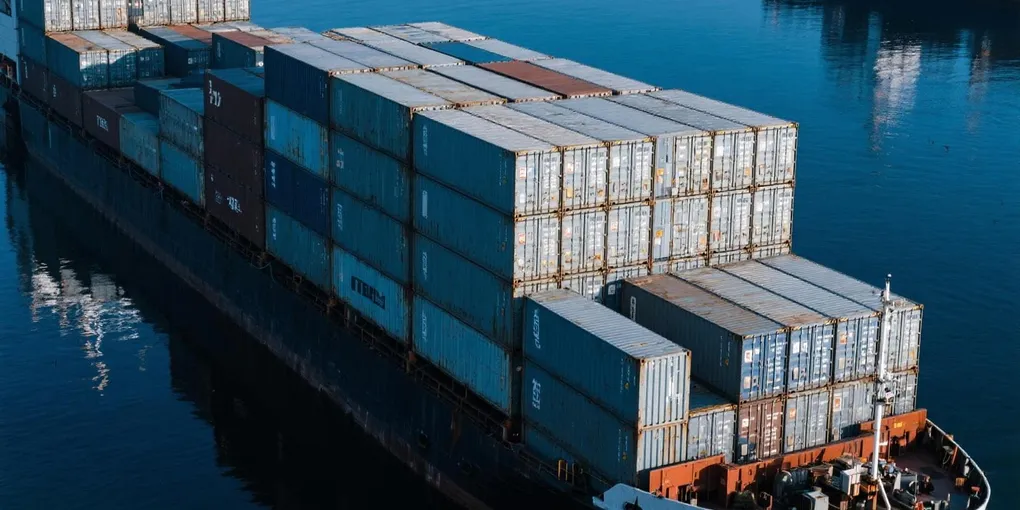
Are you searching for the most efficient Shipping Routes from China to Germany for your business or personal needs? Understanding the best sea freight, air freight, and express shipping options can save you time and money. In this comprehensive guide, we’ll explore key routes, major ports, shipping costs, transit times, and expert tips to help you navigate the complexities of international logistics between China and Germany.
Shipping from China to Germany
When shipping from China to Germany, choosing the optimal logistics solution is essential for minimizing costs, ensuring timely delivery, and maintaining supply chain reliability. As a highly experienced international freight forwarder, I understand that every business faces unique requirements, whether you are an importer, exporter, manufacturer, or e-commerce seller. Below, I provide a comprehensive overview of the main shipping methods available, their benefits, and how they suit different logistics needs.
Sea freight from China to Germany
Sea freight remains the most widely used mode for transporting goods between China and Germany, especially for large-volume and heavy cargo. It is ideal for shipments where cost efficiency outweighs the need for speed. There are two main service types:
-
Full Container Load (FCL): You exclusively use a container. Common container types include 20FT (28 CBM), 40FT (56 CBM), 40HQ (68 CBM), and 45HQ (78 CBM).
-
Less than Container Load (LCL): Your goods share container space with other shipments, perfect for smaller consignments.
Benefits:
-
Highly cost-effective for bulk shipments
-
Suitable for various cargo types, including general merchandise, machinery, electronics, and industrial goods
-
Regular sailings from all major Chinese ports to the main German ports
Estimated Transit Time: Typically 26–40 days, depending on the ports of loading and discharge, and the chosen shipping line.
Who should choose sea freight: Businesses shipping more than 2 CBM or over 200 KG, wanting to maximize cost savings.
Recommended reading: For detailed information about this route, see our guide on Sea Freight from China to Germany.
Air freight from China to Germany
Air freight is the preferred option for time-sensitive, high-value, or perishable goods. This mode offers fast, reliable transit and is widely used by tech companies, automotive suppliers, and fashion retailers.
Key advantages:
-
Fastest transit time: 2–7 days from airport to airport, depending on direct or indirect flight options
-
Enhanced security and minimal handling of cargo
-
Suitable for goods with strict deadlines, fragile products, and small batches
Common airports used: Shanghai Pudong (PVG), Beijing Capital (PEK), Guangzhou Baiyun (CAN) in China, and Frankfurt (FRA), Munich (MUC), Leipzig (LEJ) in Germany.
Who should use air freight: Importers/exporters needing rapid delivery, shipping valuable, urgent, or perishable goods.
Readers interested in air cargo options may want to explore our page on Air freight from China to Germany, which covers rates, transit times, and best practices.
Express shipping from China to Germany
Express shipping leverages global courier giants like DHL, FedEx, UPS, and TNT. These services provide door-to-door pickup and delivery with full tracking and customs clearance support.
Features:
-
Ultra-fast delivery times: 2–5 working days
-
Streamlined customs process and real-time shipment tracking
-
Ideal for small parcels, samples, e-commerce orders, and urgent documents
Best for: E-commerce sellers, SMEs, and individuals shipping parcels below 100 KG who value speed and convenience.
Door to door shipping from China to Germany
Door-to-door shipping is a comprehensive logistics solution managed by a single provider—like Dantful.US International Logistics—covering pickup at the supplier’s door in China to delivery at the consignee’s doorstep in Germany. This service can be arranged via sea, air, or rail, and includes all procedures: collection, export customs clearance, international transportation, import clearance, and final delivery.
Benefits:
-
Hassle-free, all-inclusive service
-
Simplifies communication, minimizes risk of delays or miscommunication
-
Transparent pricing and clear timelines
Recommended for: SMEs, first-time importers, companies seeking a hands-off, reliable solution, and those with complex shipping requirements.
For a complete overview of this service, see Door to Door Shipping from China to Germany.
Major Chinese Ports for Germany-Bound Shipments
Selecting the right port of origin is integral to optimizing shipping costs and transit times. Below are the major Chinese ports commonly used for exports to Germany, each offering unique strategic advantages.
| Port Name | Location | Key Features | Suitable Cargo Types |
|---|---|---|---|
| Shanghai Port | Shanghai | World’s largest container port; frequent Europe-bound sailings | All containerized cargo |
| Shenzhen Port | Guangdong Province | Major hub for electronics, machinery, and textiles | Electronics, consumer goods |
| Ningbo-Zhoushan | Zhejiang Province | Efficient handling, high TEU throughput | Machinery, auto parts |
| Qingdao Port | Shandong Province | Strong connections to North China manufacturers | Heavy industry, chemicals |
| Guangzhou Port | Guangdong Province | Proximity to major manufacturing centers | Textiles, household goods |
| Tianjin Port | Beijing/Tianjin Area | Closest port to Northern inland factories | Machinery, vehicles |
| Xiamen Port | Fujian Province | Fast-growing, suitable for South China exports | General cargo |
Shanghai, Shenzhen, and Ningbo are the most frequently used for FCL and LCL shipments to Germany due to their extensive carrier networks, efficient customs procedures, and high-frequency sailings. Air cargo primarily departs from Shanghai Pudong (PVG), Guangzhou Baiyun (CAN), and Beijing Capital (PEK) airports.
Expert tip: Choosing the closest port to your supplier can help reduce domestic transportation costs and transit time.
Key Germany Ports Receiving Shipments from China
When planning shipping from China to Germany, it’s essential to know the main German ports handling imports from Asia. Choosing the right port can impact transit times, customs clearance, and final delivery efficiency. Below, I share the major Germany ports that consistently receive high volumes of Chinese cargo and play a critical role in European logistics:
| Port Name | Location | Port Code | Specialties | Annual Throughput (TEU) | Notes |
|---|---|---|---|---|---|
| Port of Hamburg | Northern Germany | DEHAM | Largest seaport in Germany; main entry point for Asian cargo | ~8.3 million | Deepwater port; strong rail & road connectivity |
| Port of Bremerhaven | Northwest Germany | DEBRV | Major container port; specializes in vehicle & machinery shipments | ~5.5 million | Often used as transshipment hub |
| Port of Wilhelmshaven | Northwest Germany | DEWVN | Germany’s only deep-water container port; suitable for ultra-large vessels | ~600,000 | Direct calls from Asia; fast handling of megaships |
| Port of Duisburg | Inland (Rhine-Ruhr area) | DEDUI | World’s largest inland port; key for multimodal (barge, rail, road) logistics | N/A | Receives containers by river/rail from North Sea ports |
| Port of Bremen | Northwest Germany | DEBRE | Handles mixed cargo; close to Bremerhaven | ~2.5 million | Primarily general/bulk cargo; some container traffic |
Port of Hamburg is the most vital gateway for Chinese imports. It is supported by Bremerhaven and Wilhelmshaven for various cargo types and shipping routes. For inland distribution, Duisburg offers seamless rail and barge connections, making it ideal for companies targeting Germany’s industrial heartland or onward distribution throughout Europe.
Main Shipping Routes from China to Germany
Selecting the right shipping route is fundamental for balancing cost, timeliness, and reliability. There are two primary modes: sea freight routes and air freight routes. Let’s review how cargo moves between the two countries and what you should consider.
Sea Freight Routes from China to Germany
Sea freight is the most common and cost-effective way to ship goods in bulk. The main shipping lanes connect major Chinese ports with leading German ports.
Main Sea Routes
-
Northern China (Qingdao, Tianjin, Dalian) → Hamburg / Bremerhaven
-
Ships often transit via the Bohai Sea and Yellow Sea, then pass through the Suez Canal into the North Sea.
-
Offers direct services or via transshipment at major Asian hubs (e.g., Singapore, Busan).
-
-
Eastern China (Shanghai, Ningbo) → Hamburg / Bremerhaven / Wilhelmshaven
-
This is the busiest route. Vessels follow the East China Sea, South China Sea, Indian Ocean, and through the Suez Canal.
-
Shanghai-Hamburg is a high-frequency, direct-service route on most major shipping lines.
-
-
Southern China (Shenzhen, Guangzhou, Xiamen) → Hamburg / Bremerhaven
- Routes proceed via the South China Sea, onward to the Suez Canal, and then to Northern Europe.
Typical Transit Times (FCL, Direct Service)
| Origin Port (China) | Destination Port (Germany) | Route Distance (Nautical Miles) | Estimated Transit Time |
|---|---|---|---|
| Shanghai | Hamburg | ~11,000 | 28-35 days |
| Shenzhen | Hamburg | ~11,300 | 29-36 days |
| Ningbo | Bremerhaven | ~11,100 | 28-36 days |
| Qingdao | Hamburg | ~10,800 | 27-34 days |
Please note: Actual transit times depend on the carrier, transshipment points, and seasonal congestion.
Key Considerations for Sea Freight
-
Full Container Load (FCL) and Less than Container Load (LCL) both available.
-
Dantful.US International Logistics provides door-to-door, consolidated, breakbulk, and OOG (out of gauge) solutions, ensuring flexibility for your cargo type and timeline.
-
Rail freight is also emerging as a viable alternative for certain urgent shipments, especially via the China-Europe Railway Express to inland hubs like Duisburg.
Air Freight Routes from China to Germany
Air freight provides the fastest shipping method for high-value, urgent, or time-sensitive cargo. The largest airports in both countries are well-connected by direct and indirect flights.
Main Air Routes
-
Shanghai Pudong (PVG) → Frankfurt (FRA) / Munich (MUC) / Leipzig (LEJ)
-
Frankfurt is the busiest air cargo hub in Germany and Central Europe.
-
Daily direct freighter and passenger flights by major airlines (e.g., Lufthansa Cargo, Air China Cargo, China Southern).
-
-
Beijing Capital (PEK) → Frankfurt (FRA) / Munich (MUC)
-
Multiple weekly direct and connecting flights.
-
Suitable for North and East China exports.
-
-
Guangzhou Baiyun (CAN), Shenzhen Bao’an (SZX) → Frankfurt / Leipzig
- Ideal for southern China shippers; connections via European hubs possible.
Typical Air Transit Times
| Origin Airport (China) | Destination Airport (Germany) | Direct Flight Time (Hours) | Door-to-Door Estimated Delivery |
|---|---|---|---|
| Shanghai (PVG) | Frankfurt (FRA) | 11-12 | 3-7 days (including handling/customs) |
| Beijing (PEK) | Munich (MUC) | 10-11 | 3-7 days |
| Guangzhou (CAN) | Leipzig (LEJ) | 12-13 | 3-8 days |
Key Considerations for Air Freight
-
Air freight is ideal for electronics, e-commerce parcels, perishables, or production-critical items.
-
Costs are calculated per kilogram; heavier or voluminous goods may be more economical by sea.
-
Dantful.US International Logistics offers tailored air solutions, including customs clearance, insurance, and last-mile delivery in Germany.
Related article: Curious about shipping to other European destinations? Check out Shipping from China to UK for a comparison of key routes and tips.
How much is shipping from China to Germany
When shipping from China to Germany, understanding the cost structure is essential. Shipping costs vary depending on the mode of transportation, cargo volume or weight, the nature of goods, seasonal demand, and the specific ports of origin and destination. Below, I provide a comprehensive breakdown of major freight options, considering the latest market rates and industry insights.
Cost of sea freight from China to Germany
Sea freight is the most economical choice for large cargo volumes. Pricing is typically based on either Full Container Load (FCL) or Less than Container Load (LCL).
| Container Type | Capacity | Estimated Rate (USD) | Notes |
|---|---|---|---|
| 20FT Container | 28 CBM | $1,300 – $2,200 | Best for 25-28 CBM or heavy goods |
| 40FT Container | 56 CBM | $2,200 – $3,800 | Standard container for volume shipments |
| 40HQ Container | 68 CBM | $2,500 – $4,000 | For bulky or voluminous cargo |
| LCL (per CBM) | – | $80 – $150 | For cargo <15-20 CBM |
Rates above are indicative (2025) and can fluctuate based on fuel costs, port congestion, and peak season surcharges. Contact Dantful.US International Logistics for a tailored quotation.
LCL shipments are calculated based on volume (CBM); surcharges may apply for overweight or oversized cargo. FCL is generally more cost-effective for shipments above 15 CBM or when security and speed are priorities.
For a more comprehensive cost breakdown, refer to our Shipping Cost from China to Germany page.
Cost of air freight from China to Germany per KG
Air freight is the fastest method but is more expensive. Pricing depends on chargeable weight (actual or volumetric) and fluctuates weekly.
| Weight Bracket | Estimated Rate (USD/KG) | Transit Time | Notes |
|---|---|---|---|
| 45 – 100 KG | $6.00 – $8.50 | 2-5 days | Minimum weight for economic rates |
| 100 – 300 KG | $5.50 – $7.00 | 2-5 days | Mid-size shipments |
| 300 KG+ | $5.00 – $6.50 | 2-5 days | Big shipments, best value |
Rates are based on airport-to-airport services between major Chinese airports (Shanghai, Shenzhen*,* Guangzhou*) and key German airports (Frankfurt,* Munich*).*
Air freight rates can rise significantly during peak seasons (pre-holiday, Q4) and for special goods requiring handling (e.g., batteries, perishables).
Express shipping cost from China to Germany per KG
Express shipping (e.g., DHL, FedEx, UPS, TNT) is ideal for urgent, small parcels. Pricing is based on actual or dimensional weight, with door-to-door delivery.
| Weight Bracket | Estimated Rate (USD/KG) | Transit Time | Notes |
|---|---|---|---|
| 0.5 – 5 KG | $15 – $28 | 2-4 days | Higher unit cost for small parcels |
| 5 – 20 KG | $10 – $17 | 2-4 days | Discounts for heavier shipments |
| 21 KG+ | $7.50 – $13 | 2-4 days | Bulk express rates |
Actual rates depend on service level, destination city, and any surcharges (fuel, remote area, oversized).
Door to door shipping cost from China to Germany
Door-to-door shipping combines multiple transport modes (sea, air, or rail) into a seamless service, including export clearance, international transport, import customs, and final delivery.
| Mode | Estimated Rate (USD/KG or Container) | Transit Time | Inclusions |
|---|---|---|---|
| Sea (LCL) | $120 – $180 per CBM | 28-40 days | Pickup, sea freight, customs, delivery |
| Air | $8 – $12 per KG | 5-10 days | Pickup, air freight, customs, delivery |
| Rail (LCL) | $120 – $180 per CBM | 18-24 days | Pickup, rail, customs, delivery (via Eurasia Railway) |
| Express | $10 – $20 per KG | 3-7 days | All-inclusive, best for small urgent shipments |
Door-to-door is especially valuable for SMEs, Amazon sellers, or those new to import/export. Dantful.US International Logistics offers a full suite of door-to-door solutions tailored to your needs, ensuring hassle-free shipments and competitive pricing.
Cost Optimization Tips:
-
Consolidate shipments to maximize container or chargeable weight.
-
Book early, especially during peak seasons (August–October, pre-Christmas).
-
Consult with a professional freight forwarder like Dantful.US International Logistics for the latest rates and best route recommendations.
How long does it take to ship from China to Germany
Transit times depend on the chosen shipping mode, specific ports, customs procedures, and current global logistics conditions. Here’s a summary of typical shipping times:
| Mode | Origin (China) | Destination (Germany) | Estimated Transit Time | Notes |
|---|---|---|---|---|
| Sea freight (FCL) | Shanghai, Shenzhen, Ningbo | Hamburg, Bremerhaven | 28 – 38 days | Port-to-port, add 3-7 days for door delivery |
| Sea freight (LCL) | Same as above | Same as above | 32 – 42 days | Includes additional handling |
| Rail freight | Xi’an, Chongqing | Duisburg, Hamburg | 18 – 24 days | Fast & eco-friendly for FCL/LCL |
| Air freight | Major IA (PEK, PVG, CAN) | Frankfurt, Munich | 2 – 5 days | Airport-to-airport |
| Express shipping | Any (door pickup) | Any (door delivery) | 2 – 4 days | End-to-end, customs cleared |
| Door-to-door (Sea) | Any | Any | 35 – 50 days | Complete DDP/DDU service |
| Door-to-door (Air) | Any | Any | 5 – 10 days | Complete DDP/DDU service |
| Door-to-door (Rail) | Any | Any | 22 – 28 days | Includes pickup and delivery |
These transit times are for reference; real-world timing can vary due to customs inspections, port congestion, public holidays, and weather conditions. For urgent deliveries, air freight or express shipping is recommended.
For a deep dive into shipping durations, review our dedicated resource: How Long does it Take to Ship from China to Germany.
Additional factors influencing shipping times:
-
Customs clearance delays in either country
-
Local delivery or pickup arrangements
-
Extreme weather or global disruptions (e.g., pandemic, strikes)
At Dantful.US International Logistics, my team and I continuously monitor all trade lanes between China and Germany. We use our expertise to offer you the most reliable and cost-effective solutions for your specific logistics needs. For the latest schedules, available shipping space, and a free quotation, please contact us directly.
How to choose the best shipping route for your shipment
Choosing the most effective shipping route from China to Germany is essential for optimizing your supply chain, controlling costs, and ensuring timely delivery. I always advise clients to consider several key factors before making a decision:
1. Cargo Type and Volume
-
Bulk Shipments: For large or heavy cargo (over 2 CBM or 200 KG), sea freight is generally the most cost-effective option. Full Container Load (FCL) and Less than Container Load (LCL) offer flexibility based on your cargo size.
-
Urgent or Perishable Goods: If your products are time-sensitive, high-value, or perishable, air freight or express shipping is recommended due to their speed.
-
E-commerce Parcels: For small, high-turnover shipments, express couriers like DHL, FedEx, or UPS provide fast and reliable delivery.
-
Special Cargo: For oversized or non-standard cargo, consider OOG (Out of Gauge) or Breakbulk solutions.
2. Transit Time Requirements
- If you have strict delivery deadlines (such as seasonal sales or production schedules), compare the transit times for each mode. Below is a comparison table for reference:
| Shipping Mode | Average Transit Time (China-Germany) |
|---|---|
| Sea Freight (FCL/LCL) | 25-40 days |
| Rail Freight | 15-20 days |
| Air Freight | 3-7 days |
| Express Shipping | 2-5 days |
| Door-to-Door | 5-40 days (depends on mode chosen) |
3. Cost Considerations
-
Shipping cost is influenced by route, mode, cargo volume, and value-added services (like customs clearance, insurance, and warehousing). For budget-sensitive shipments, choosing sea freight (especially LCL for smaller loads) is ideal.
-
For high-value or critical cargo, the higher cost of air freight or express may be justified by reduced risk and shorter lead times.
4. Port Location and Inland Logistics
-
The proximity of your supplier to major Chinese ports (e.g., Shanghai, Shenzhen, Ningbo) and your consignee’s location relative to German ports (e.g., Hamburg, Bremerhaven) will affect both cost and transit time.
-
If your warehouse or final destination is inland, door-to-door or multi-modal solutions that combine sea/rail/road may offer the best balance of efficiency and convenience.
5. Customs Clearance and Documentation
- Each mode and route comes with specific documentation and customs procedures. Ensure your shipping solution includes comprehensive support for customs clearance to avoid delays and penalties.
6. Service Provider Expertise
- Opt for freight forwarders with demonstrated expertise in China-Germany logistics and a strong global network. This minimizes the risk of miscommunication, delays, or unexpected costs.
For those shipping to neighboring countries, our Shipping from China to France article provides additional European market insights and logistics comparisons.
Decision-Making Example Table
| Your Priority | Recommended Mode & Route |
|---|---|
| Lowest cost | Sea freight (LCL or FCL) |
| Fastest delivery | Express shipping or air freight |
| Balanced cost/speed | Rail freight or door-to-door via rail/air |
| Special cargo | OOG/Breakbulk by sea; consult specialist |
| Small e-commerce | Express or consolidated air freight |
As every business scenario is unique, I recommend discussing your specific requirements with your logistics provider, who can tailor a solution that optimally balances cost, speed, and reliability.
Choose a right freight forwarder
Selecting the right freight forwarder is a critical step in your China-Germany supply chain. Here’s what I look for—and what you should expect:
1. Professionalism and Experience
A highly qualified freight forwarder will have deep knowledge of both the Chinese and German logistics markets, international shipping regulations, and hands-on experience handling various cargo types. They should be able to provide references, proven case studies, and transparent communication.
2. Service Portfolio
Choose a provider offering a comprehensive range of services. This allows you to customize your logistics plan as your business grows or as your needs change.
3. Cost Transparency and Efficiency
An ideal partner provides clear, itemized quotes with no hidden charges. They proactively find the most cost-effective options for your routes and cargo type. Always ask for a breakdown of costs and a transit time estimate.
4. Network Strength
Strong relationships with major shipping lines, airlines, rail operators, and Chinese and German customs authorities are vital. This enables quicker bookings, better rates, and smoother operations.
5. Digital Tools & Support
Modern freight forwarders offer real-time tracking, online booking, and automated document management. These tools improve visibility and efficiency, reducing administrative overhead and risks.
6. Customer Support
Responsive, multi-lingual customer service is essential. Your forwarder should be reachable 24/7 for urgent queries, provide shipment updates, and proactively handle exceptions or emergencies.
Why Choose Dantful.US International Logistics
At Dantful.US International Logistics, we pride ourselves on delivering highly professional, cost-effective, and high-quality one-stop international logistics services. We support global traders with expertise in:
-
Sea Freight, Air Freight, Rail Freight, Road Freight
-
Amazon FBA logistics
-
Warehousing and consolidation
-
Customs clearance
-
Cargo insurance
-
Door-to-door solutions
-
OOG and Breakbulk freight
Partnering with us ensures you have a reliable, knowledgeable team dedicated to optimizing your China-Germany shipping routes and simplifying your international trade operations.
Contact us today for a tailored logistics solution that meets your needs, controls your costs, and secures your supply chain from factory to warehouse, every step of the way.
Get A Free Shipping Quote