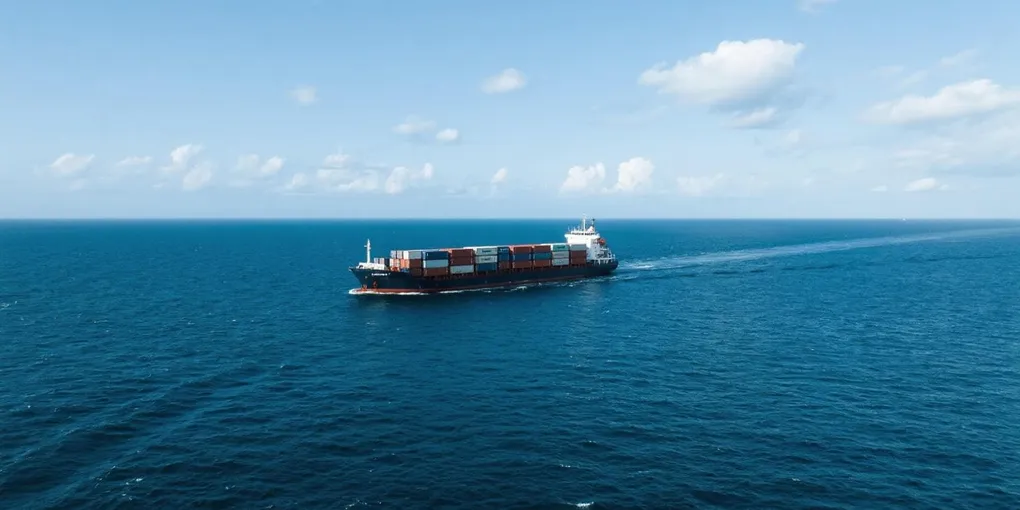
Are you wondering how much it really costs to ship a 40ft container from China to the UK? With countless variables and hidden fees, understanding the full shipping cost can be challenging. In this comprehensive guide, we’ll break down the main expenses, highlight key ports, explain factors that impact pricing, and provide practical tips to help you save on your next container shipment. Let’s unravel the true cost of international shipping!
Shipping Container from China to UK
Shipping containers are the backbone of international trade between China and the UK, providing secure, efficient, and cost-effective solutions for transporting a vast variety of goods. Choosing the right container size and service mode is crucial for optimizing your shipping strategy, cost, and delivery timeline.
FCL (Full Container Load)
FCL means your cargo exclusively occupies an entire container—20ft, 40ft, or even 40HQ—providing maximum security and often better freight rates per unit. FCL is ideal if you have enough cargo to fill a container or wish to avoid mixing your goods with others.
Key Benefits of FCL:
-
Fixed pricing for the whole container, regardless of whether it’s fully loaded
-
Reduced risk of contamination, damage, or delays from shared cargo
-
Faster processing at both the origin and destination
Popular FCL Container Sizes:
| Container Type | Internal Volume (CBM) | Typical Use Case |
|---|---|---|
| 20ft | 28 | Smaller shipments, heavy goods, or dense cargo |
| 40ft | 56 | Standard size for general cargo and most exporters |
| 40ft High Cube (40HQ) | 68 | Voluminous, lighter goods, or maximized cubic space |
LCL (Less than Container Load)
LCL is perfect if your cargo doesn’t fill a whole container. Your shipment will be consolidated with goods from other shippers, with you paying only for the space your cargo occupies. This service offers flexibility but may involve slightly longer handling times at ports.
Key Benefits of LCL:
-
Cost-effective for small to moderate shipment volumes
-
Pay according to actual cargo volume (CBM)
-
Ideal for test orders, samples, or when regular shipment volumes fluctuate
LCL is typically used for shipments less than 15 CBM or when weight and volume cannot justify a full container.
Choosing Between 20ft and 40ft Containers
| Container Type | Capacity Estimate | Ideal For | Key Considerations |
|---|---|---|---|
| 20ft | ~28 CBM, up to 28,000 kg | Heavy, dense goods or moderate volumes | Preferable if your goods are heavy and do not need more space |
| 40ft | ~56 CBM, up to 28,000 kg | Bulky, large volume shipments | Standard for most exporters; lower cost per CBM for high volume |
| 40HQ | ~68 CBM, up to 28,000 kg | Very high volume or lightweight cargo | Offers extra cubic room for bulky but lighter goods |
Key Steps in the Shipping Process
-
Cargo Preparation: Properly pack and label your goods. Ensure documentation is complete (commercial invoice, packing list, bill of lading).
-
Booking and Pick-up: Reserve your container space and arrange for pick-up from your supplier or warehouse in China.
-
Customs Clearance in China: Complete export customs clearance and inspections.
-
International Transport: Container is shipped via sea or rail to the UK.
-
UK Customs Clearance: Upon arrival, import customs and duties are processed.
-
Delivery/Pick-up: Arrange for final delivery to your designated UK address or warehouse.
Whether you need a full container for large regular shipments or LCL consolidation for smaller cargo, Dantful.US International Logistics offers highly professional and cost-effective sea freight solutions from China to the UK, ensuring seamless
Related reading: If you’re exploring other European destinations, check out our guide on Shipping from China to Germany.
Major Shipping Ports in China and UK
Selecting the right port of origin and port of destination is crucial when calculating costs, transit time, and overall shipping efficiency. Below is a comprehensive overview of the major ports involved in the China-UK container shipping trade:
Major Ports in China
| Port Name | Location | Specialization | Notes |
|---|---|---|---|
| Shanghai | East China | Largest container port | Leading for FCL, LCL, advanced infrastructure |
| Shenzhen | South China | Electronics, general cargo | Key for Pearl River Delta manufacturing exports |
| Ningbo-Zhoushan | East China | General, bulk, containers | Efficient for East/South China factories |
| Qingdao | North China | Machinery, chemicals, agri | Major for North China exports |
| Guangzhou | South China | General, chemicals | Near manufacturing hubs, high throughput |
| Xiamen | Southeast China | Footwear, textiles | Strategic for Fujian province traders |
| Tianjin | North China | Heavy industry, vehicles | Main port for Beijing, Hebei, Shanxi region |
| Dalian | Northeast China | Seafood, machinery | Access to Northeast Asian trade routes |
Major Ports in the UK
| Port Name | Location | Specialization | Notes |
|---|---|---|---|
| Felixstowe | East England | Largest container port | Most frequent direct services from China |
| Southampton | South England | Containers, automotive, Ro-Ro | Modern facilities, extensive rail links |
| London Gateway | Thames Estuary | Deep-water, automated container | Fast customs, proximity to London market |
| Liverpool | North West | Containers, general cargo | Access to Northern England and Midlands |
| Belfast | Northern Ireland | General cargo, containers | For shipments to Northern Ireland |
Typical Shipping Routes
Most container ships from China to the UK depart from Shanghai, Shenzhen, or Ningbo, calling at Felixstowe, Southampton, or London Gateway. The choice of departure and arrival port can influence both cost and transit time.
Below is a comparative table summarizing typical sea freight times from the main ports in China to the UK:
| Origin Port | UK Destination Port | Average Transit Time (Days) | Frequency |
|---|---|---|---|
| Shanghai | Felixstowe | 28–35 | Weekly |
| Shenzhen | Felixstowe | 28–32 | Weekly |
| Ningbo | Southampton | 30–36 | Weekly |
| Qingdao | London Gateway | 33–38 | Weekly/Biweekly |
| Guangzhou | Felixstowe | 29–34 | Weekly |
Please note: Transit times are subject to route, carrier, and seasonal fluctuations.
Choosing the Right Port Pair
Choosing the right port pair can save you both time and money. For example, if your supplier is based in Southern China, Shenzhen or Guangzhou may offer faster inland transit and lower pre-carriage costs. Similarly, if your goods are destined for retailers in Northern England, shipping into Liverpool could reduce last-mile delivery expenses.
At Dantful.US International Logistics, our experts can recommend the most efficient port combinations and offer tailored solutions for your specific supply chain needs, maximizing cost savings and minimizing delays.
Read also: Shipping from China to France if you are considering importing to other European countries.
By understanding the key ports and the shipping process, you can optimize your logistics strategy for shipping a 40ft container from China to the UK. For real-time rates, personalized advice, or a one-stop international logistics solution, feel free to contact Dantful.US International Logistics—your trusted partner in global trade.
How much does it cost to ship a 40ft Container from China to UK
The cost of shipping a 40ft container from China to the UK varies depending on several factors, such as the departure and arrival ports, the type of service (FCL or LCL), the current market rates, and any additional services required. In 2025, global shipping rates have stabilized compared to the pandemic period, but prices can still fluctuate based on supply chain disruptions and fuel costs.
As a general reference, here are the indicative costs for shipping a 40ft container (standard dry, FCL) from major ports in China (such as Shanghai, Shenzhen, Ningbo) to main ports in the UK (Felixstowe, Southampton, London Gateway). Please note that these are base ocean freight rates and do not include additional charges like documentation, port handling, customs, or inland transportation.
| Origin Port (China) | Destination Port (UK) | Estimated Ocean Freight (USD) | Transit Time (Days) |
|---|---|---|---|
| Shanghai | Felixstowe | $3,000 – $4,500 | 28–35 |
| Shenzhen | Southampton | $3,200 – $4,800 | 28–37 |
| Ningbo | London Gateway | $3,100 – $4,600 | 30–38 |
| Qingdao | Felixstowe | $3,400 – $4,900 | 31–39 |
These prices are updated as of 2025 and reflect general market conditions. For the most accurate and up-to-date quote, I recommend reaching out to a professional freight forwarder like Dantful.US International Logistics, who can provide tailored solutions and transparent pricing.
-
A 40ft container (with a capacity of about 56CBM for standard and 68CBM for 40HQ) is ideal for bulk shipments, making the per-unit shipping cost lower for large-volume importers.
-
The above rates apply to Full Container Load (FCL) sea freight. If your goods do not fill a full container, Less than Container Load (LCL) can be arranged, but the cost per CBM will be higher.
-
Additional services—such as customs clearance, insurance, door-to-door delivery, or warehousing—will incur extra charges.
For a detailed breakdown of shipping fees, see Shipping Cost from China to UK.
What Affects the Cost of Shipping a 40ft Container from China to UK?
Several key factors influence the overall cost of shipping a 40ft container from China to the UK. Understanding these elements can help businesses and individuals optimize their logistics budget and avoid unexpected expenses:
-
Origin and Destination Ports
Costs vary significantly depending on the combination of Chinese and UK ports. Major ports such as Shanghai and Felixstowe may offer more competitive rates due to higher shipping volumes and frequent sailings. -
Type of Container and Cargo
Standard 40ft containers are less expensive than 40ft High Cube (HQ) or Open Top containers. Cargo requiring special handling, temperature control, or classified as Out-of-Gauge (OOG) will also increase costs. -
Shipping Route and Carrier Selection
The chosen ocean carrier, transshipment points, and route efficiency impact both cost and transit time. Direct services may be more expensive but faster, while transshipment can reduce costs at the expense of longer delivery times. -
Seasonal Demand and Market Fluctuations
Peak shipping seasons (such as before Chinese New Year or the Christmas rush) often see increased rates due to high demand. Global events, fuel price changes, and port congestion can also cause rate volatility. -
Freight Forwarder and Service Level
The expertise and network of your freight forwarder matter. At Dantful.US International Logistics, I ensure transparent pricing, reliable schedules, and one-stop solutions that help you save on total logistics costs. -
Additional Services and Surcharges
-
Documentation fees
-
Port handling charges at both origin and destination
-
Customs clearance fees in China and the UK
-
Insurance
-
Inland transportation (trucking or rail) to or from the port
-
Fuel surcharges and currency adjustment factors
-
-
Container Availability and Equipment Imbalance
Sometimes, a shortage of containers at the origin port or equipment imbalance across global routes can lead to equipment surcharges. -
Regulatory Changes and Customs Policies
Changes in UK import regulations, tariffs, and customs procedures may affect the total landed cost.
Example: Breakdown of Typical Shipping Cost Components
| Cost Component | Description |
|---|---|
| Ocean Freight | Main shipping cost for the container |
| Port Charges | Terminal handling fees, documentation, security fees |
| Inland Transport | Trucking/rail from factory to port and/or port to destination |
| Customs Clearance | Fees for export/import customs processing |
| Insurance | Covers loss/damage during transit (optional, but recommended) |
| Additional Surcharges | Peak season, equipment imbalance, fuel, currency adjustments |
By understanding these cost drivers, shippers can compare quotes more effectively and select the most cost-efficient logistics solutions.
At Dantful.US International Logistics, we leverage our expertise and extensive global network to ensure our clients receive competitive rates, transparent billing, and tailored services that suit every shipping scenario between China and the UK. For a personalized quote or logistics consultation, feel free to contact us at any time.
Hidden and Additional Charges to Consider
When shipping a 40ft container from China to the UK, understanding the complete cost structure is essential for effective budgeting and supply chain planning. While the base freight rate is a major component, there are several hidden and additional charges that can significantly impact your total shipping cost. As a professional in international logistics, I always recommend my clients at Dantful.US International Logistics to review all potential charges before finalizing a shipment.
Here are some of the most common hidden and additional charges you may encounter:
| Charge Type | Description | Typical Range (USD) | Notes |
|---|---|---|---|
| Origin Charges | Handling, documentation, customs, and terminal fees at the port in China. | $300 – $600+ | Varies by port and agent. |
| Destination Charges | Handling, documentation, customs, and terminal fees at the port in the UK. | $400 – $800+ | Includes port security and administration costs. |
| Customs Clearance Fees | Charges for processing import/export customs documentation. | $50 – $200+ | Separate from duties and taxes. |
| Import Duties & VAT | Taxes imposed by the UK government on imported goods. | Varies | Based on cargo value & type (consult HMRC). |
| Port Storage Fees | If containers are not cleared promptly, storage at the port may accrue daily. | $40 – $120/day | Important to clear goods quickly. |
| Demurrage & Detention | Fees for exceeding free time at the port or for late container return. | $80 – $150/day | Check carrier terms for free time. |
| Documentation Fees | Bill of lading, certificate of origin, and other required documents. | $30 – $100 | Per document. |
| Insurance | Optional but recommended for cargo protection during transit. | 0.1% – 0.5% cargo value | Provides peace of mind (consult your forwarder). |
| Inland Transportation | Trucking or rail from port to final destination (door delivery). | $200 – $1,000+ | Depends on distance and service level. |
| Inspection/Quarantine Fees | Charges if your goods require additional inspection by authorities. | $50 – $300+ | Often random or cargo-specific. |
| Peak Season Surcharges | Applied during high-demand periods, such as pre-holiday. | Variable | Check with your forwarder for applicable periods. |
| Fuel Surcharges | Adjustment based on global fuel price fluctuations. | Variable | May change monthly. |
| Security Surcharges | For enhanced cargo security or screening. | $10 – $30 | For select trade lanes. |
Key Points to Remember:
-
Always request a “all-in” quote from your freight forwarder that breaks down each cost component.
-
Review contracts and discuss potential variable charges such as demurrage, storage, and surcharges.
-
Factor in customs clearance and import duties—these can be substantial depending on your cargo.
-
If you’re using a door-to-door service, confirm exactly what is included in the rate.
At Dantful.US International Logistics, we pride ourselves on offering transparent, itemized quotations so clients can effectively plan their logistics budgets and avoid unexpected surprises.
How to Save on Shipping Costs
Reducing the cost of shipping a 40ft container from China to the UK is a key concern for businesses of all sizes. Drawing from years of experience at Dantful.US International Logistics, here are my expert strategies to help you cut costs without compromising service quality.
1. Choose the Right Shipping Mode
Evaluate whether Full Container Load (FCL) or Less than Container Load (LCL) is best for your shipment size. For high-volume cargo, FCL is generally more cost-effective per unit.
| Shipping Mode | Best For | Cost Efficiency | Speed |
|---|---|---|---|
| FCL | Larger shipments (over 28 CBM) | Lower per CBM | Faster, direct routing |
| LCL | Smaller shipments | Higher per CBM | May take longer (consol) |
2. Plan Ahead and Book Early
Shipping rates fluctuate based on demand, fuel prices, and seasonal surges. Booking your container well in advance secures better rates and guarantees space, especially during the peak season (August–October, before Christmas).
3. Optimize Container Utilization
Maximize every cubic meter of your 40ft container (up to 56 CBM for standard, 68 CBM for 40HQ) by careful packing and consolidating shipments. Avoid shipping half-empty containers, as per-unit costs rise significantly.
4. Compare Shipping Routes and Ports
Different Chinese ports (e.g., Shanghai, Shenzhen, Ningbo) offer varying rates and transit times to the UK (Felixstowe, Southampton, London Gateway). Sometimes, choosing a less congested port can reduce both costs and delays.
5. Negotiate with Carriers and Forwarders
Work with a reputable freight forwarder like Dantful.US International Logistics to leverage bulk contracts and negotiate the best rates. We offer tailored solutions, including sea freight, air freight, rail freight, road freight, Amazon FBA, warehouse, customs clearance, insurance, door-to-door, OOG freight, consolidated freight, and breakbulk freight.
6. Consolidate Shipments
If you have multiple suppliers or smaller consignments, consider consolidated freight (groupage/LCL). This method splits container costs among multiple clients, reducing your share.
7. Avoid or Minimize Extra Charges
-
Clear customs promptly to avoid demurrage and port storage fees.
-
Prepare all documentation accurately to prevent delays and extra processing costs.
-
Insure your cargo to protect against unforeseen losses—this is a minor cost relative to potential risk.
8. Use Digital Tools and Track Rates
Stay updated with market trends and use online tools to monitor rates and spot competitive offers. At Dantful.US, we keep our clients informed about rate changes and provide real-time tracking and support.
9. Consider Door-to-Door or Multimodal Solutions
Sometimes, combining sea, rail, and road freight for a door-to-door solution can offer both cost and time advantages, especially with the rise of China-Europe rail freight.
You may also be interested: Door to Door Shipping from China to UK for a seamless logistics experience.
How long does it take to ship a 40ft Container from China to UK
When planning to ship a 40ft container from China to the UK, transit time is a critical factor for importers, exporters, and supply chain managers. The duration depends on the chosen shipping method, departure and destination ports, vessel schedules, and customs clearance procedures.
Major Shipping Methods and Their Transit Times
| Shipping Method | Estimated Transit Time (Port to Port) | Description |
|---|---|---|
| Sea Freight (FCL) | 25–35 days | The most common and economical way for large shipments. Full Container Load (FCL) offers security and cost savings for bulk goods. |
| Sea Freight (LCL) | 28–38 days | Less than Container Load (LCL) consolidates goods from multiple shippers. Slightly longer due to extra handling. |
| Rail Freight | 18–22 days (to Europe, then trucked to UK) | Fast and reliable for certain cargo, but involves multimodal transfer at European hubs. |
| Air Freight | 2–7 days | Most expensive, fastest option. Suitable for urgent or high-value shipments. |
| Door-to-Door Service | 30–40 days (sea freight) | Includes pick-up, delivery, customs clearance, and inland transport. Actual time varies based on service scope and route. |
Sample Sea Transit Times: Major China Ports to UK Ports
| Origin Port | Destination Port | Typical Transit Time |
|---|---|---|
| Shanghai | Felixstowe | 29–32 days |
| Shenzhen (Yantian/Shekou) | Southampton | 27–31 days |
| Ningbo | London Gateway | 28–33 days |
| Qingdao | Liverpool | 30–36 days |
| Tianjin | Felixstowe | 31–38 days |
Please note: The above figures represent port-to-port transit under normal conditions. Actual time may vary due to shipping line schedules, port congestion, weather, and customs clearance.
Factors Affecting Shipping Time
-
Vessel schedules and route: Direct routes are faster than those with multiple transshipments.
-
Port congestion: Busy periods at major ports in China or the UK can cause delays.
-
Customs clearance: Efficient documentation speeds up release; errors can add days or weeks.
-
Inland transportation: If using door-to-door or multimodal services, domestic delivery time must be considered.
At Dantful.US International Logistics, we offer up-to-date vessel schedules and shipment tracking, helping you plan your supply chain with confidence.
FAQs
How much does it cost to ship a 40ft container from China?
The cost to ship a 40ft container from China to the UK varies based on factors such as the origin and destination ports, shipping season, type of goods, and chosen service (FCL, LCL, door-to-door, etc.). As of 2025, typical sea freight rates for a 40ft container (FCL) range from $2,200 to $4,000 USD (port-to-port), excluding additional charges like customs, insurance, and delivery.
How long does it take for a container ship to come from China to the UK?
A standard 40ft container shipped by sea from China to the UK typically takes 25–35 days port-to-port. Total door-to-door delivery may take 30–40 days, depending on customs clearance and inland transport. Air freight options can reduce transit to as little as 2–7 days but at a higher cost.
What is the cheapest way to ship a container?
The most economical option is usually Sea Freight (FCL). Shipping a full 40ft container is cost-effective for large volumes, lowering your per-unit logistics cost. For smaller loads, LCL (Less than Container Load) allows you to share container space with others, though per CBM rates are higher.
Partnering with a professional freight forwarder like Dantful.US International Logistics ensures you get competitive rates, reliable schedules, and expert support to minimize costs.
Further reading: For estimated delivery times for other Europe destinations, see How Long does it Take to Ship from China to Germany.
What is the import tax from China to the UK?
When importing goods from China to the UK, you must pay:
-
Import Duty: Varies by product type and customs tariff code (HS code).
-
VAT: Standard rate is 20% in the UK (as of 2025), calculated on the sum of CIF value (Cost, Insurance, Freight) + duty + other charges.
-
Additional Fees: May include anti-dumping duties, excise taxes, and customs handling fees, depending on the product.
Get A Free Shipping Quote