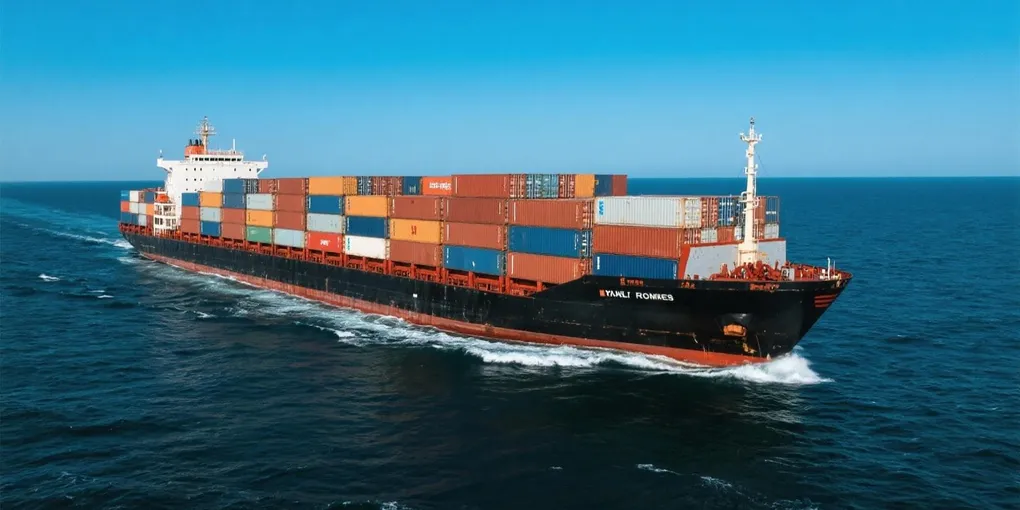
Are you wondering about the cost of shipping a 40ft container from China to Canada and what factors influence these rates? Whether you’re a business owner or an individual shipper, understanding the complexities of container shipping, from major ports to hidden charges, is crucial. In this comprehensive guide, we’ll break down everything you need to know about shipping costs, timelines, and tips to save money on your next shipment.
Shipping container from China to Canada
Shipping a container from China to Canada is a key part of global trade, offering reliable and scalable solutions for importers, exporters, manufacturers, and e-commerce sellers. The process may seem complex, but with professional logistics partners like Dantful.US International Logistics, shipping from major Chinese ports to Canadian destinations can be smooth, cost-effective, and secure.
A 40ft container is the most commonly used size for large-scale shipping. It offers a capacity of about 56 CBM (Cubic Meters), making it ideal for bulk shipments. At Dantful.US, we provide a one-stop service that covers every aspect of the logistics chain, including sea freight, air freight, rail freight, customs clearance, door-to-door delivery, insurance, warehousing, OOG freight, and more.
Related reading: For a complete step-by-step guide, see our article on Shipping from China to Canada.
Main Shipping Modes
-
Sea Freight: Most 40ft containers are shipped by sea, offering the best balance of cost and cargo volume. FCL (Full Container Load) is ideal for large shipments.
-
Air Freight: For urgent, high-value, or time-sensitive goods.
-
Rail & Multimodal: Occasionally used for certain routes, combining rail and truck transport.
-
Door-to-Door Services: Comprehensive logistics from your supplier in China directly to your address in Canada.
Whether you are a supply chain manager, SME owner, or an individual importer, understanding the logistics process and working with an experienced freight forwarder ensures your shipment reaches its destination efficiently and safely.
Major Shipping Ports in China and Canada
Choosing the right ports is crucial for optimizing transit time and costs when shipping a 40ft container from China to Canada. Below are the key export and import ports involved in this trade lane:
Major Ports in China
| Port Name | Location | Main Advantages |
|---|---|---|
| Shanghai | Eastern China | Largest port globally, extensive vessel schedules |
| Shenzhen | Southern China | Proximity to manufacturing hubs, fast processing |
| Ningbo-Zhoushan | Eastern China | High efficiency, strong connections to North America |
| Qingdao | Northern China | Key hub for electronics, textiles, machinery |
| Guangzhou | Southern China | Major export center, flexible shipping options |
| Xiamen | Southeast China | Strong in electronics, manufacturing exports |
| Tianjin | Northern China | Serving Beijing region, robust rail connectivity |
Major Ports in Canada
| Port Name | Location | Main Advantages |
|---|---|---|
| Vancouver | West Coast (BC) | Largest Canadian port, main gateway from Asia |
| Prince Rupert | West Coast (BC) | Shortest transit time from Asia, efficient rail |
| Montreal | East Coast (QC) | Access to Eastern Canada, connections to Europe/US |
| Halifax | East Coast (NS) | Handles large vessels, access to Atlantic Canada |
| Toronto (Inland) | Ontario | Major inland hub, linked via rail from seaports |
Vancouver and Prince Rupert are the primary gateways for most shipments from China due to their direct connections, robust infrastructure, and proximity to key population centers. From these ports, containers can be forwarded inland by rail freight or road freight to cities such as Toronto, Calgary, or Montreal.
Example Port Pairings and Typical Transit Times
| Origin Port (China) | Destination Port (Canada) | Typical Sea Freight Transit Time (Days) |
|---|---|---|
| Shanghai | Vancouver | 15-20 |
| Shenzhen | Vancouver | 15-22 |
| Ningbo | Prince Rupert | 13-18 |
| Qingdao | Montreal | 25-30 (via Panama Canal) |
Note: Transit times above refer to port-to-port shipping and exclude customs clearance or inland transportation.
Why Port Selection Matters
-
Cost: Some port pairs offer more competitive rates due to higher volumes and direct vessel calls.
-
Transit Time: Direct routes via Prince Rupert or Vancouver are generally fastest.
-
Inland Connections: Ports with robust rail and road links reduce overall delivery time to inland cities.
At Dantful.US International Logistics, our expert team helps you select the most suitable routing and port combination, ensuring your 40ft container shipment from China to Canada is handled seamlessly, efficiently, and at a competitive cost.
If you need tailored advice for your specific cargo, our specialists are ready to assist with route planning, documentation, customs compliance, and end-to-end tracking—making cross-Pacific trade easier than ever.
Explore more: For those also considering shipping to the United States, see our detailed guide on Shipping from China to USA.
How much does it cost to ship a 40 ft container from China to Canada?
When planning to ship a 40ft container from China to Canada, pricing is one of the most critical considerations for any importer, exporter, or supply chain manager. The cost of shipping a 40ft container can vary widely depending on several factors, including shipping mode (sea freight, air freight), current market rates, equipment type, and additional services required.
As of 2025, the average cost to ship a standard 40ft container (FCL, Full Container Load) from major ports in China (such as Shanghai, Shenzhen, Ningbo, or Qingdao) to key ports in Canada (such as Vancouver, Montreal, Toronto) generally ranges from USD 3,500 to USD 7,000 for ocean freight alone. This estimate is for port-to-port shipping under typical market conditions, excluding local charges, customs duties, insurance, and last-mile delivery.
Below is a comparison table for estimated base ocean freight rates (2025 Q5) for a 40ft container from major Chinese ports to Canadian ports:
| Origin Port (China) | Destination Port (Canada) | Estimated 40ft FCL Cost (USD) | Transit Time (Days) |
|---|---|---|---|
| Shanghai | Vancouver | $3,500 – $5,000 | 15 – 25 |
| Shenzhen | Vancouver | $3,800 – $5,200 | 15 – 25 |
| Ningbo | Vancouver | $4,000 – $5,300 | 15 – 26 |
| Qingdao | Vancouver | $3,900 – $5,100 | 17 – 27 |
| Shanghai | Montreal | $5,000 – $7,000 | 25 – 35 |
| Shanghai | Toronto (via Vancouver) | $5,200 – $7,200 | 30 – 40 |
Please note:
-
These prices are indicative and fluctuate based on global shipping demand, fuel costs, seasonal surcharges, and space/availability.
-
The above table reflects sea freight only.
-
Additional charges such as origin charges, destination handling, customs clearance, insurance, and door delivery may apply.
For air freight, shipping a 40ft container equivalent is substantially more expensive and is typically not used for full container volumes due to weight and cargo space limitations.
At Dantful.US International Logistics, I always recommend requesting a tailored quote to ensure you get the most accurate and cost-effective shipping solution for your specific needs. We provide transparent pricing, comprehensive service (including customs clearance, insurance, and last-mile delivery), and can support all types of shipments from China to Canada.
What Affects the Cost of Shipping a 40ft Container from China to Canada?
There are several key factors that impact the total shipping cost for a 40ft container from China to Canada. As a logistics expert, I always advise clients to consider the following variables:
1. Shipping Route and Distance
- The specific route chosen (e.g., Shanghai–Vancouver vs. Shanghai–Montreal) directly affects both price and transit time. Longer distances and routes with transshipments typically cost more.
2. Port Charges and Local Fees
-
Both Chinese and Canadian ports have handling, documentation, and terminal charges, which differ by port and shipping line.
-
Inland destinations (e.g., Toronto) may require additional rail or road freight after arrival at a seaport, increasing total cost.
3. Type of Container
- Standard 40ft (dry) container is most common, but 40HQ (High Cube, 68CBM) or specialized containers (OOG, reefer, dangerous goods) incur higher costs.
4. Shipping Mode
-
FCL (Full Container Load) is generally more cost-effective for large shipments.
-
LCL (Less than Container Load) can be more expensive per CBM but is suitable for smaller loads.
-
Air freight is much more expensive than sea freight for large volumes.
5. Freight Seasonality
-
High-demand seasons (pre-holiday, back-to-school, Chinese New Year) can drive up rates due to space shortages.
-
Off-peak periods may offer discounts.
6. Fuel Costs & Surcharges
- BAF (Bunker Adjustment Factor), CAF (Currency Adjustment Factor), and other surcharges fluctuate with the global oil market and currency shifts.
7. Cargo Specifications
- Weight, volume, type of goods, and any special handling requirements (e.g., hazardous or oversized cargo) affect pricing and may require special equipment or documentation.
8. Insurance and Additional Services
-
Optional insurance, warehousing, customs clearance, and door-to-door delivery add to the total cost.
-
Dantful.US offers a full suite of these value-added services to simplify your shipping experience.
9. Customs Duties and Taxes
- Import tariffs, GST, and other taxes levied by Canadian Customs are not included in shipping quotes but are essential to consider for your landed cost.
10. Freight Forwarder Choice
- Selecting a reputable and professional freight forwarder like Dantful.US International Logistics ensures transparent pricing, cost optimization, and peace of mind. Our global network and expertise help minimize hidden charges and avoid costly delays.
Summary Table: Key Factors Impacting 40ft Container Shipping Costs
| Factor | Description & Impact |
|---|---|
| Route & Port Pair | Longer routes or inland destinations = higher cost |
| Container Type | Specialized containers = higher rates |
| Seasonality | Peak season = increased prices |
| Fuel/Surcharges | Fluctuate with global market trends |
| Cargo Specifications | Oversize/hazardous = extra charges |
| Additional Services | Insurance, warehousing, D2D = additional fees |
| Customs Duties & Taxes | Excluded from freight, vary by cargo/classification |
| Freight Forwarder | Expertise saves cost, prevents extra charges |
If you want a detailed, accurate quote for your 40ft container shipment from China to Canada, please reach out to our team at Dantful.US International Logistics. We’re committed to providing highly professional, cost-effective, and comprehensive logistics solutions tailored to your specific needs.
Hidden and Additional Charges to Consider
When shipping a 40ft container from China to Canada, the initial freight quote typically covers the main transportation cost. However, as an experienced freight forwarder, I always advise clients to be aware of various hidden and additional charges that may arise throughout the shipping process. Understanding these charges is essential for accurate budgeting and preventing unexpected expenses.
Common Hidden and Additional Charges
| Charge Type | Description | Who Pays | Typical Range (USD) |
|---|---|---|---|
| Port Charges (Origin/Destination) | Fees for handling containers at Chinese and Canadian ports (loading, unloading, storage, etc.) | Shipper | $200–$600 per container |
| Documentation Fees | Charges for preparing Bill of Lading, customs documents, and shipping instructions | Shipper | $50–$100 per document |
| Customs Clearance Fees | Cost paid to customs brokers for clearing cargo at the Canadian border | Shipper | $100–$350 per shipment |
| Duties and Taxes | Import duties, Goods & Services Tax (GST), and other government charges in Canada | Shipper | Variable (per goods HS code) |
| Inspection/Quarantine Fees | Fees if containers are selected for inspection by customs or quarantine authorities | Shipper | $100–$400+ per instance |
| Demurrage & Detention | Penalties for exceeding free days for container use at port or with shipping line | Shipper | $100–$200 per day |
| Terminal Handling Charges (THC) | Port-specific fees for container handling | Shipper | $150–$350 per container |
| Security Charges | ISPS (International Ship and Port Facility Security) fees | Shipper | $10–$50 per container |
| Fuel Surcharges/Bunker Adjustment Factor | Additional fees reflecting fuel price fluctuations | Shipper | $100–$300 per container |
| Currency Adjustment Factor (CAF) | Surcharge for currency fluctuations between USD and CNY/CAD | Shipper | 1–5% of freight rate |
| Insurance Premiums | Optional, but recommended; covers loss or damage during transit | Shipper | 0.3–0.5% cargo value |
| Delivery Charges (Truck/Rail) | Inland transport from Canadian port to consignee’s address | Shipper | $500–$2,500+ per load |
| Warehousing Fees | Storage at port or third-party warehouse | Shipper | $5–$20 per CBM/day |
Note: These charges vary by route, port, carrier, and service provider. At Dantful.US International Logistics, we provide clear, itemized quotes so our clients understand all potential costs upfront.
Key Terms Explained
-
Demurrage: Charged when containers remain at the port beyond the free storage period.
-
Detention: Charged when containers are held outside the port (e.g., at your facility) beyond the free period.
-
Terminal Handling Charges (THC): Mandatory handling fees imposed by both origin and destination ports.
How to Avoid Unexpected Charges
-
Consult with your freight forwarder about all potential charges.
-
Clarify the Incoterms in your sales contract (e.g., FOB, CIF, DAP).
-
Arrange customs clearance and inland transport in advance.
-
Track container status to avoid demurrage and detention fees.
-
Consider cargo insurance for full protection.
By working with a reputable partner like Dantful.US International Logistics, you gain transparency and proactive support in navigating all charges involved in shipping a 40ft container from China to Canada.
How to Save on Shipping Costs
Reducing the cost of shipping a 40ft container from China to Canada is a top priority for most importers, exporters, and supply chain managers. Here are expert tips, based on my extensive experience, to optimize your logistics spend without compromising service quality.
1. Choose the Right Shipping Mode
-
Sea Freight is the most economical for full containers. For smaller shipments, LCL (Less than Container Load) or consolidated freight may be more cost-effective.
-
For urgent shipments, compare air freight costs, but remember they are significantly higher than ocean rates.
2. Optimize Container Utilization
-
Maximize volume: A 40ft container has a capacity of about 56 CBM. Efficient packing ensures you pay for less empty space.
-
Combine shipments: If possible, consolidate multiple orders into one container to share costs.
3. Plan Ahead and Book Early
-
Book your shipments in advance, especially during peak seasons (e.g., pre-holiday, Chinese New Year) when rates can surge.
-
Early booking often secures better freight rates and space availability.
4. Select Cost-effective Routes and Ports
-
Shipping to major Canadian ports such as Vancouver or Montreal generally offers better rates than less-used ports.
-
Compare inland delivery costs from different ports to final destination.
| Route | Estimated Ocean Freight (40ft)* | Estimated Transit Time (Days) |
|---|---|---|
| Shanghai → Vancouver | $3,200 – $4,000 | 14–18 |
| Shenzhen → Montreal | $4,000 – $4,800 | 23–29 |
| Ningbo → Toronto | $4,300 – $5,200 | 25–32 |
*Rates are for reference and fluctuate based on season, carrier, and service.
You might also like: Curious about shipping to nearby countries? Explore Shipping from China to Mexico for comparison.
5. Avoid Demurrage and Detention
-
Coordinate pickup and delivery to minimize the risk of incurring extra storage or late return fees.
-
Stay in close communication with your forwarder and local warehouse.
6. Negotiate with Freight Forwarders
-
Ask for all-in rates and volume discounts.
-
Compare offers from multiple providers but beware of quotes that seem too low—they may hide extra costs.
7. Use Value-added Services Wisely
-
Consider door-to-door or customs clearance packages to streamline operations and possibly reduce total spend.
-
Leverage insurance to safeguard against loss—while it’s an extra cost, it prevents major financial setbacks.
8. Partner with a Reliable Logistics Provider
Working with a highly professional and experienced freight forwarder like Dantful.US International Logistics ensures you get competitive rates, transparent pricing, and customized solutions. We offer a full suite of services—Sea Freight, Air Freight, Rail Freight, Road Freight, Amazon FBA, Warehousing, Customs Clearance, Insurance, Door to Door, OOG Freight, Consolidated Freight, Breakbulk Freight—designed to save you time and money.
9. Stay Informed About Market Trends
-
Monitor market rates and fuel surcharges regularly.
-
Use digital tools and freight rate platforms to stay updated.
10. Review Shipping Terms Regularly
- Adjust Incoterms and contractual terms as your business needs evolve to avoid unnecessary liabilities and costs.
By understanding the full spectrum of charges and actively managing your shipping strategy, you can significantly reduce the cost of shipping a 40ft container from China to Canada. If you need tailored advice or a transparent quote, contact Dantful.US International Logistics—your trusted one-stop partner for global trade logistics.
How long does it take to ship a 40ft Container from China to Canada
The shipping time for a 40ft container from China to Canada depends on several factors, including the origin and destination ports, the shipping route, chosen freight method, and seasonal congestion. As a professional freight forwarder, I always advise my clients to consider both the transit time and the overall door-to-door shipping duration, including customs clearance on both sides.
Typical Transit Times by Sea Freight
Below is a reference table of estimated transit times for Full Container Load (FCL) shipments between major ports in China and Canada. Please note that these are sea transit times only and do not include local pick-up, customs clearance, or inland delivery.
| Origin Port (China) | Destination Port (Canada) | Estimated Transit Time (Days) |
|---|---|---|
| Shanghai | Vancouver | 16–20 |
| Shenzhen | Vancouver | 16–21 |
| Ningbo | Vancouver | 17–22 |
| Qingdao | Vancouver | 18–24 |
| Shanghai | Montreal | 28–35 |
| Shenzhen | Toronto | 30–38 |
Note: Shipping to East Coast ports like Montreal or Toronto involves a longer route, often via the Panama Canal or with transshipment, hence the extended transit time.
Recommended: For the latest on transit times and practical tips, see How Long does it Take to Ship from China to Canada.
Additional Factors Affecting Shipping Time
-
Customs Clearance: Both in China and Canada, customs processes may add 1–5 days.
-
Inland Trucking/Rail: Delivery from port to final destination within Canada can add several days, especially for hinterland cities.
-
Seasonal Congestion: Peak seasons (e.g., pre-Christmas, before Chinese New Year) may result in port congestion or vessel delays.
-
Weather and Force Majeure: Storms, labor strikes, or global disruptions (such as pandemics) can impact schedules.
Air Freight Alternatives
If time is critical, consider air freight. Typical air freight transit times from China to Canada are 3–7 days, including customs clearance. While more expensive, it is ideal for urgent or high-value shipments.
How Dantful.US International Logistics Can Help
At Dantful.US International Logistics, we offer a full suite of freight forwarding services, including sea freight, air freight, door-to-door, customs clearance, and more. We leverage our extensive network and expertise to optimize your shipping schedule and provide real-time updates, helping you avoid unexpected delays.
FAQs
How much does it cost to ship a container from China to Canada?
The cost of shipping a 40ft container from China to Canada generally ranges from USD 4,500 to USD 8,500 (as of 2025), depending on the origin and destination ports, current market rates, fuel surcharges, shipping line, and seasonal factors. For the latest, most accurate quote tailored to your needs, I recommend contacting our experts at Dantful.US International Logistics.
How much does it cost to ship a 40 ft container from China?
Shipping a standard 40ft container (with a capacity of 56CBM) from China to North America or Canada typically falls within the same price range—USD 4,500 to USD 8,500. The final cost depends on factors such as routing, container type (standard vs. 40HQ), additional services (e.g., door-to-door, insurance, customs clearance), and current shipping conditions.
How long does a container ship take from China to Canada?
Direct sea shipping between major ports (e.g., Shanghai to Vancouver) generally takes 16–22 days port-to-port. For further inland destinations in Canada (like Toronto or Montreal), transit time can extend to 30–38 days due to longer routes and inland transport. Always consider additional time for customs and final delivery.
Are there import fees from China to Canada?
Yes, importing goods from China to Canada will incur several fees:
-
Import Duties: Vary by product classification under the HS code and trade agreements.
-
Goods and Services Tax (GST): Normally 5% of the goods’ value.
-
Customs Brokerage Fees: Charged for customs entry processing.
-
Other Charges: Such as inspection fees, special handling, or warehousing (if applicable).
What is the most cost effective way to ship to Canada?
For most businesses, sea freight—specifically Full Container Load (FCL)—offers the best cost efficiency for large shipments (above 15 CBM or 3 tons). If you’re shipping smaller quantities, Less than Container Load (LCL) consolidation can be an option, though per-cubic-meter rates are higher.
Get A Free Shipping Quote